

Planning a flooring renovation is one of the best ways to improve the comfort and value of your home. A well-organized project helps reduce delays, avoid costly mistakes, and achieve a clean finish that lasts for years. This Floor Installation Guide explains each stage of the process so homeowners can make informed decisions before work begins.
Every flooring project starts with careful preparation. From selecting materials to checking the condition of the subfloor, each step affects the final result. Whether you are replacing worn flooring or renovating an entire level, understanding the installation process makes the project smoother and helps you avoid unexpected problems.
Why Planning Matters Before Installation
A successful flooring project begins long before the first plank or tile is installed. Measuring rooms accurately, identifying moisture concerns, and selecting suitable materials all contribute to a better outcome. Careful planning also helps estimate labor, material quantities, and the overall flooring installation cost before construction starts.
The best results come from matching flooring materials with the needs of each room. Areas with heavy foot traffic require durable flooring options, while moisture-prone spaces need water-resistant products. Considering these factors early reduces maintenance and extends the life of the finished floor.
Choose the Right Flooring Material
Every flooring material has unique benefits. Your choice should match your home’s design, maintenance preferences, and budget. Comparing different products before purchasing makes the installation process more efficient and prevents unnecessary replacements later.
Hardwood Floor Installation
Hardwood Floor Installation remains a popular choice because of its timeless appearance and long service life. Solid hardwood can increase property value while creating a warm interior. Proper acclimation and moisture control are necessary before installation to reduce expansion and contraction after the project is complete.
Laminate Floor Installation
Laminate Floor Installation offers an affordable solution for homeowners who want the appearance of natural wood. Modern laminate products are durable, easy to maintain, and available in many styles. They work well in living rooms, bedrooms, and other dry indoor spaces with moderate foot traffic.
Vinyl Flooring Installation
Vinyl Flooring Installation is suitable for kitchens, bathrooms, laundry rooms, and basements where moisture resistance is important. Luxury vinyl products combine durability with realistic wood and stone finishes. They are comfortable underfoot and require minimal maintenance compared with many traditional flooring materials.
Tile Floor Installation
Tile Floor Installation is often selected for areas exposed to water or heavy use. Ceramic and porcelain tiles provide excellent durability and simple maintenance. Proper spacing, leveling, and grout application are essential for creating an attractive finish that performs well over many years.
Prepare the Subfloor Before Installation
One of the most overlooked flooring preparation steps is inspecting the subfloor. An uneven or damaged surface can shorten the life of new flooring and create visible imperfections after installation. Proper subfloor preparation includes cleaning, leveling, repairing damaged sections, and checking moisture levels before materials are installed.
Using the right flooring installation tools also improves accuracy throughout the project. Moisture meters, levels, spacers, and quality cutting tools help installers achieve consistent results. Investing time in preparation often prevents expensive repairs after the flooring has been completed.
Understand the Stair Installation Process
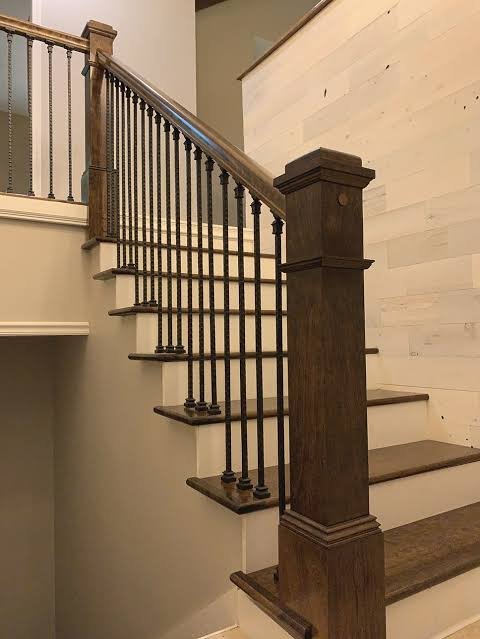
Stairs require additional planning because every tread and riser must fit precisely. The Stair Installation Process involves measuring each step carefully, preparing the existing structure, and selecting materials that provide both durability and safety. Even small measurement errors can affect the finished appearance.
Stair Flooring Installation should also complement the flooring used throughout the home. Many homeowners choose matching materials to create a seamless transition between rooms and staircases. Stair tread installation requires careful alignment and secure fastening to ensure long-term performance under daily use.
Set a Realistic Budget and Timeline
A clear budget helps homeowners prioritize materials and labor without unexpected expenses. Flooring installation cost depends on the flooring type, room size, existing floor removal, and project complexity. Requesting detailed estimates before work begins provides a better understanding of the total investment.
Project timelines vary according to material selection and site conditions. Hardwood flooring may require acclimation before installation, while tile installations often need additional curing time. Planning around these requirements helps reduce delays and keeps the renovation schedule on track.
DIY vs Professional Floor Installation
Many homeowners consider installing flooring themselves to reduce labor costs. While smaller projects may be manageable, larger renovations often require specialized knowledge, precision, and professional equipment. Understanding DIY vs professional flooring installation helps determine which option offers the best long-term value.
Professional Floor Installation provides accurate measurements, proper floor finishing techniques, and compliance with manufacturer recommendations. Experienced installers can also identify structural issues before they become expensive repairs. Hiring qualified Residential Flooring Services often improves durability and overall workmanship.
Common Flooring Installation Mistakes to Avoid
Many flooring issues result from rushed preparation rather than poor materials. Skipping subfloor preparation, ignoring moisture testing, or installing flooring before materials acclimate can reduce the lifespan of the finished floor. Careful planning helps prevent these avoidable problems.
Another common mistake is selecting flooring based only on appearance. Homeowners should consider maintenance requirements, room conditions, and expected traffic before making a final decision. Following practical Flooring Installation Tips allows the completed project to perform well while maintaining its appearance for years.
Final Thoughts
A successful flooring renovation starts with thoughtful planning, quality materials, and proper preparation. Choosing suitable products, preparing the subfloor, and understanding the installation process all contribute to durable results. Working with experienced professionals can also reduce installation risks and improve long-term performance.
If you are planning a home renovation, Best Shape Construction can help you choose the right flooring solution for your property. Contact our team to discuss your project and learn how professional installation can deliver lasting quality and value.