

Fresh paint changes the mood of a home faster than most renovations. Clean walls, balanced colors, and smooth finishes make rooms feel brighter and more comfortable. Many homeowners focus only on color selection, but long lasting paint depends on preparation and proper techniques.
These interior painting tips will help you improve wall durability, avoid uneven finishes, and maintain attractive rooms for years. You will also learn practical methods for selecting paint finishes, preparing surfaces, and maintaining painted walls without frequent repainting.
Why Proper Interior Painting Matters
Interior paint protects walls from moisture, stains, and daily wear. A rushed paint job may look acceptable at first, but peeling, cracking, and fading often appear within months. Good preparation and quality materials create stronger and cleaner finishes.
A proper interior painting guide helps homeowners avoid common mistakes like painting over dust, skipping primer, or selecting the wrong finish. Careful planning also reduces repair costs later and improves the overall appearance of living spaces.
Interior Painting Preparation Before You Start
Interior painting preparation has a direct effect on the final result. Walls should always be inspected before opening a paint can. Small repairs and cleaning steps improve paint adhesion and help create smooth surfaces.
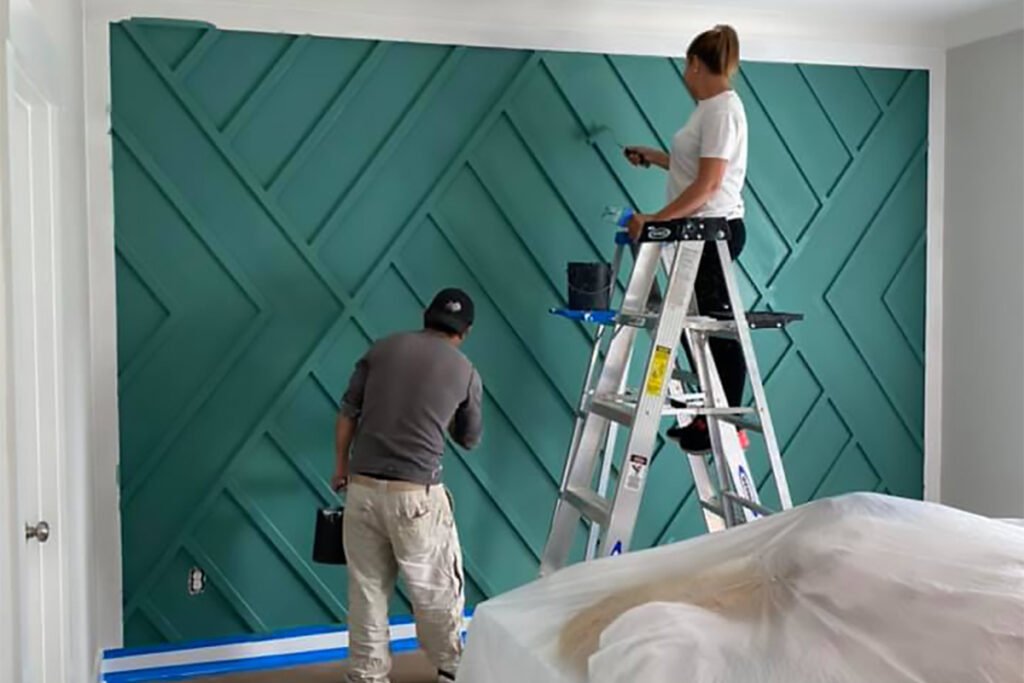
Clean and Repair the Surface
Walls collect dust, grease, and fingerprints over time. Paint does not bond well to dirty surfaces, especially in kitchens and hallways. Use mild soap and water to clean walls before sanding rough areas or filling cracks.
Loose paint should be removed completely. Sand patched areas until the surface feels even. This simple step prevents visible texture differences after the paint dries and improves the overall finish quality.
Use Wall Primer Before Painting
Wall primer before painting helps seal repaired areas and creates a more even surface. Primer also improves paint coverage and reduces the number of coats required.
Primer becomes more important when switching from dark to light colors or painting over stained walls. Many professional painters use primer to extend paint life and reduce peeling problems in high traffic rooms.
Choosing Interior Paint Colors for Every Room
Choosing interior paint colors can affect lighting, comfort, and room size perception. Bright shades make small spaces feel open, while darker colors add depth and warmth in larger rooms.
Homeowners should test paint samples under natural and artificial lighting before making final decisions. Paint colors often appear different throughout the day depending on sunlight and room direction.
Modern Interior Color Combinations
Modern interior color combinations often include warm white walls, soft gray accents, earthy greens, and muted beige tones. These shades create balanced spaces without making rooms feel cold or outdated.
Accent walls continue to work well in bedrooms and living rooms. Neutral base colors paired with one stronger shade can improve visual appeal while keeping the design simple and clean.
Difference Between Matte and Satin Paint
The difference between matte and satin paint matters more than many homeowners realize. Matte finishes hide wall imperfections and provide a soft appearance, making them useful for bedrooms and ceilings.
Satin paint reflects more light and handles cleaning better. It works well in kitchens, bathrooms, and hallways where walls experience more moisture and contact. Understanding how to choose paint finish helps homeowners match durability with appearance.
Best Interior Painting Methods for Smooth Results
The best interior painting methods focus on consistency and patience. Fast painting often creates roller marks, uneven edges, and visible brush strokes. Working in sections helps maintain a balanced finish across the wall.
Paint should be applied evenly using quality rollers and angled brushes for corners. Many professionals recommend two thin coats instead of one thick coat because thinner layers dry more evenly and last longer.
Interior Paint Drying Time Tips
Interior paint drying time depends on humidity, airflow, and paint type. Water based paints usually dry faster than oil based options, though full curing may still require several days.
Rooms should remain ventilated during and after painting. Fans and open windows improve airflow and reduce strong odors. Homeowners should avoid placing furniture against fresh walls too quickly to prevent marks and peeling.
How to Choose Paint Finish
How to choose paint finish depends on room usage and wall condition. Flat finishes reduce glare and hide dents, while semi gloss finishes resist moisture and clean easily.
Living rooms and bedrooms usually benefit from eggshell or matte finishes. Bathrooms, kitchens, and laundry rooms often require satin or semi gloss paint for better moisture resistance and durability.
Interior Painting Ideas for Different Spaces
Interior painting ideas should match the function and size of each room. Large rooms can handle deeper shades, while compact spaces often benefit from lighter tones and reflective finishes.
Texture also changes room appearance. Smooth finishes create a modern feel, while layered paint techniques add warmth and visual depth to older interiors.
Tips for Painting a Bedroom
Tips for painting a bedroom often focus on comfort and relaxation. Soft blues, warm neutrals, and muted greens create calm environments that support better rest and comfort.
Bedrooms also benefit from low sheen finishes because they soften lighting and reduce glare. Many homeowners choose simple color palettes with subtle contrast for a cleaner appearance.
Interior Room Painting Ideas for Small Areas
Interior room painting ideas for smaller spaces should improve brightness without overwhelming the room. White ceilings paired with light wall colors help reflect natural light and create a more open feeling.
Mirrors, simple trim colors, and coordinated furniture also improve painted spaces. Consistent color flow between connected rooms makes homes feel larger and more balanced.
Interior Painting Maintenance for Long Lasting Walls
Interior painting maintenance keeps walls attractive long after the project is complete. Dirt and moisture gradually weaken paint surfaces if they are ignored for long periods.
Walls should be cleaned gently using soft cloths and mild cleaning products. Abrasive cleaners can damage paint finishes and create dull spots on the surface.
How Often Should You Repaint Interiors
How often should you repaint interiors depends on room use and paint quality. Bedrooms and ceilings may remain in good condition for seven years or longer, while kitchens and bathrooms often require repainting sooner.
Hallways, children’s rooms, and entry areas experience more wear and may need touch ups every few years. Regular inspection helps identify small damage before larger repairs become necessary.
Low VOC Interior Paint Benefits
Low VOC interior paint benefits include reduced odor, improved indoor air quality, and safer conditions for children and pets. These paints release fewer harmful chemicals during the drying process.
Many homeowners now prefer low VOC products for bedrooms and living spaces because they reduce irritation while still providing strong color performance and durability.
Final Thoughts
Strong paint results come from proper preparation, smart color choices, and consistent maintenance. Homeowners who follow reliable interior painting tips often enjoy cleaner walls, better durability, and fewer repainting problems over time.
Best Shape Construction helps homeowners improve interior spaces with practical painting solutions and long lasting results. Read more home improvement guides on our website for additional maintenance ideas and renovation advice.